

In the modern corporate world, office stationery is more than just paper and pens—it is a critical component of operational efficiency and brand identity. Whether you are a procurement officer for a multinational corporation or a specialized retailer, choosing the right stationery brands is a strategic business decision.
This guide explores the world’s leading stationery manufacturers, their regional strengths, and why China’s manufacturing hubs remain the heart of the global supply chain.
1. German Stationery: The Standard of Executive Excellence
German brands are the “luxury vehicles” of the stationery world. They focus on engineering precision, ergonomic design, and sustainability.
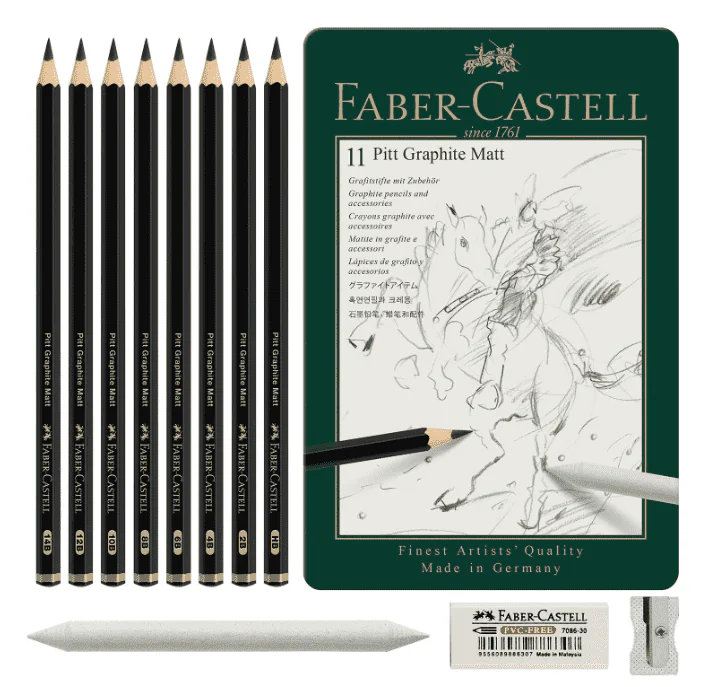
Faber-Castell (Stein)
As the world’s oldest stationery manufacturer (est. 1761), Faber-Castell is the gold standard for wooden pencils and luxury writing instruments.
- Best for: Executive gifts and high-end corporate branding.
- Key Product: The 9000 Series Pencil and the Ambition fountain pen line.
LAMY (Heidelberg)
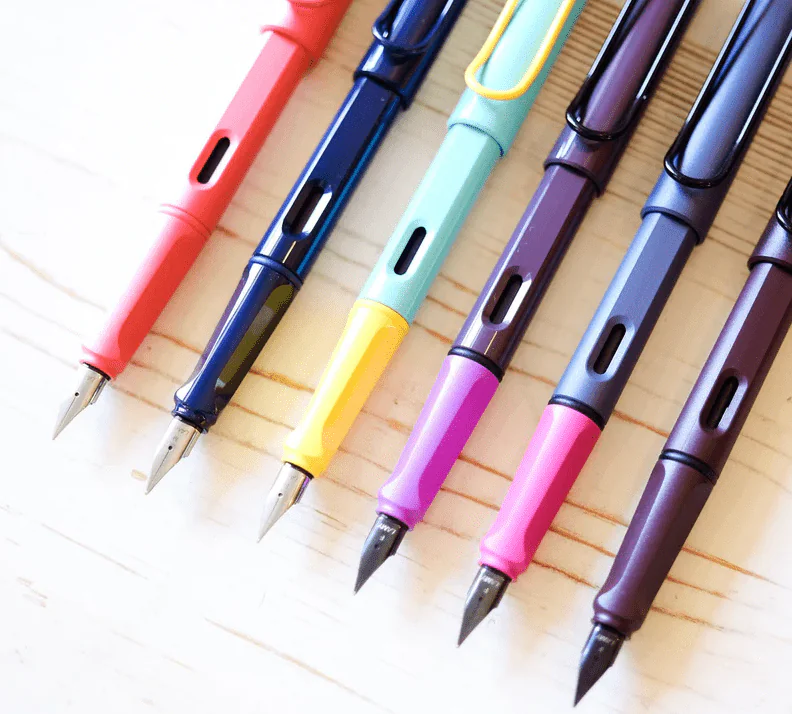
LAMY redefined the modern office aesthetic with its “Bauhaus” inspired designs. Their pens are designed to last a lifetime, with interchangeable parts that appeal to eco-conscious businesses.
- Best for: Design-led workplaces and architectural firms.
- Key Product: The LAMY Safari, globally recognized for its recessed grip and functional metal clip.
Rotring (Hamburg)
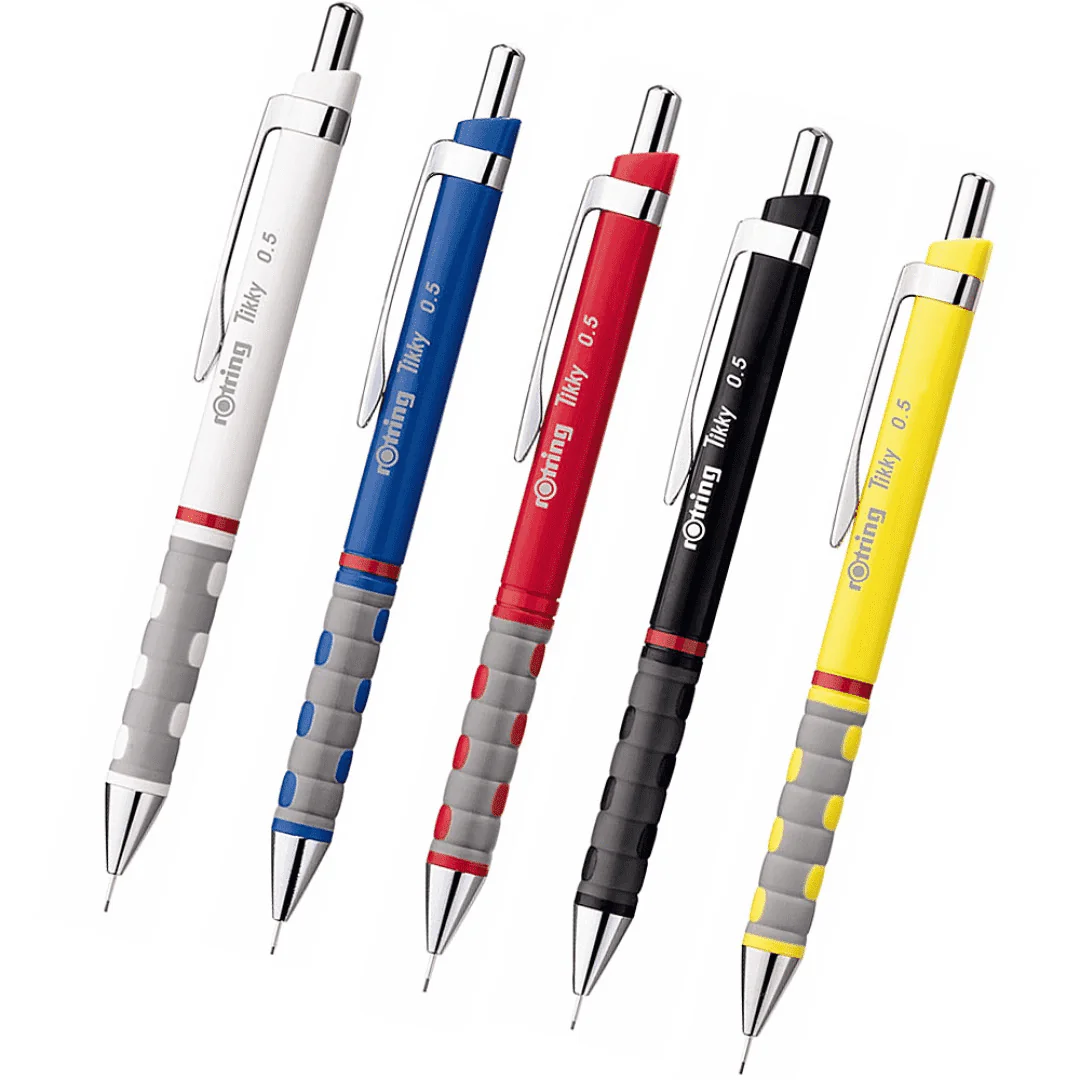
Rotring (German for “Red Ring”) is the definitive brand for technical precision. Their aesthetic is industrial and minimalist, designed for those who value “Technical Perfection.”
- Micro-Innovation: They developed the Tikky series and the iconic Rotring 600, which features a full metal hexagonal body to prevent the pen from rolling off drafting tables. The “lead hardness indicator” on their mechanical pencils is a signature detail for professionals.
- Best for: Architects, engineers, and creative directors who prefer a heavy, industrial feel.
- Key Product: The Rotring 800—a premium mechanical pencil/pen with a “Twist and Click” retractable mechanism to protect the sleeve and the user’s pocket.
Montblanc (Hamburg)
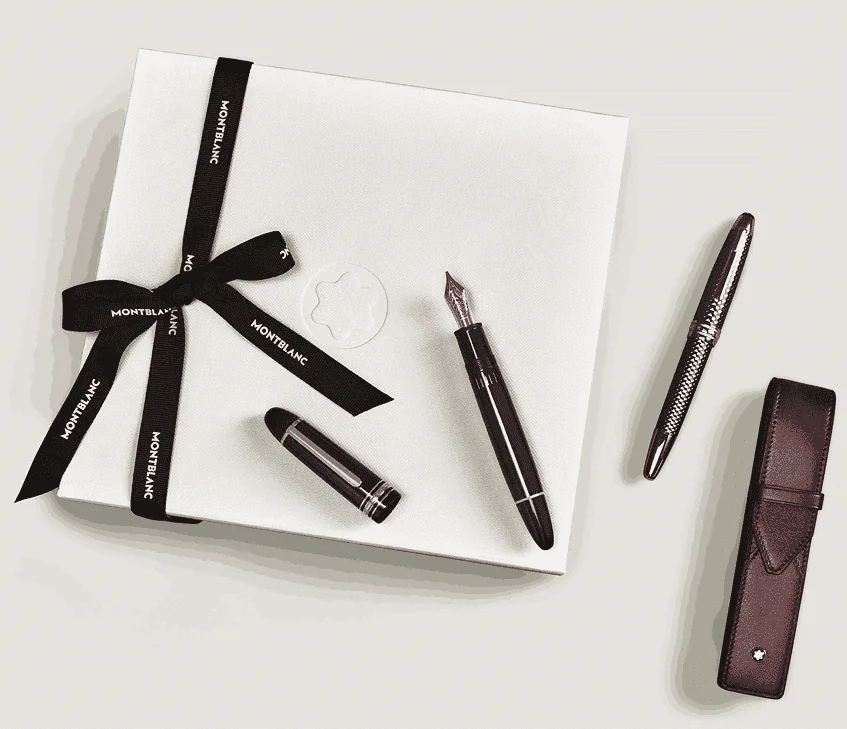
While other brands focus on the “office desk,” Montblanc focuses on the “Boardroom.” It is less of a stationery brand and more of a global symbol of professional achievement.
- Micro-Innovation: Their Meisterstück (Masterpiece) fountain pens feature a handcrafted 14k or 18k gold nib that is “run-in” by hand. They also lead in “Digital Writing” with their Augmented Paper sets, which translate handwritten notes on real paper into digital text via an app.
- Best for: C-suite executives, high-value contract signings, and milestone corporate gifts.
- Key Product: The Meisterstück 149, recognizable by the white six-pointed star representing the snowcap of Mont Blanc.
Staedtler (Nuremberg)
Staedtler is perhaps the most “practical” of the German giants. They focus on mass-scale professional reliability, ensuring that a pen bought in London performs exactly like one bought in Shanghai.
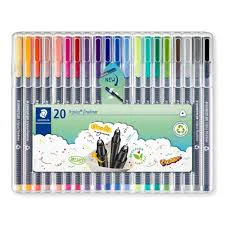
- Micro-Innovation: They pioneered the Dry Safe ink technology—their fineliners and markers can be left uncapped for days without drying out. They also developed the A·B·S (Anti-Break System), a white protective coating around the lead core of their colored pencils that increases break resistance by 30%.
- Best for: General office use, high-traffic workshops, and technical sketching.
- Key Product: The Mars Lumograph graphite pencil and the Triplus Fineliner, known for its ergonomic triangular barrel.
Strategic Insight: The “German” Supply Chain in China
For SEO and sourcing purposes, it is important to note that while these brands maintain their “Executive” status through German design, several (especially Staedtler and Faber-Castell) have established advanced manufacturing bases in China.
- Manufacturing Quality: German-owned factories in China operate under “Strict German Quality Standards,” meaning you get the prestige of the brand with the logistics efficiency of the Chinese supply chain.
- Bulk Availability: By sourcing through a China-based agent, you can often access large-scale inventories of brands like Staedtler or Faber-Castell’s professional lines directly from regional distribution hubs, significantly reducing lead times for international shipping.
2. Japanese Stationery: Masters of Micro-Innovation
Japanese brands dominate the market through technical innovation. They spend millions on R&D to perfect ink chemistry and tip mechanics, ensuring the smoothest possible writing experience.
PILOT (Tokyo)
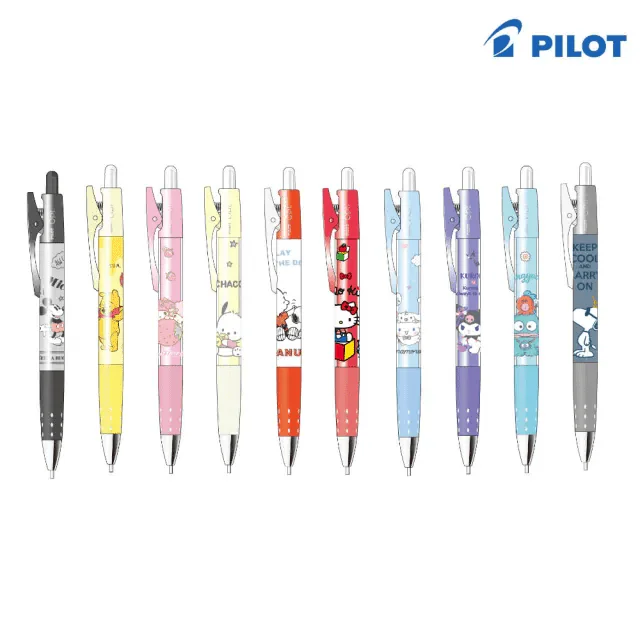
PILOT is a pioneer in chemical engineering within the stationery sector. They solved the age-old problem of ink stains with their specialized gel and liquid ink formulas.
- Best for: General office staff and high-volume note-taking.
- Key Product: FriXion Erasable Pens and the G2 Gel Pen, the world’s best-selling gel ink pen.
KOKUYO (Osaka)
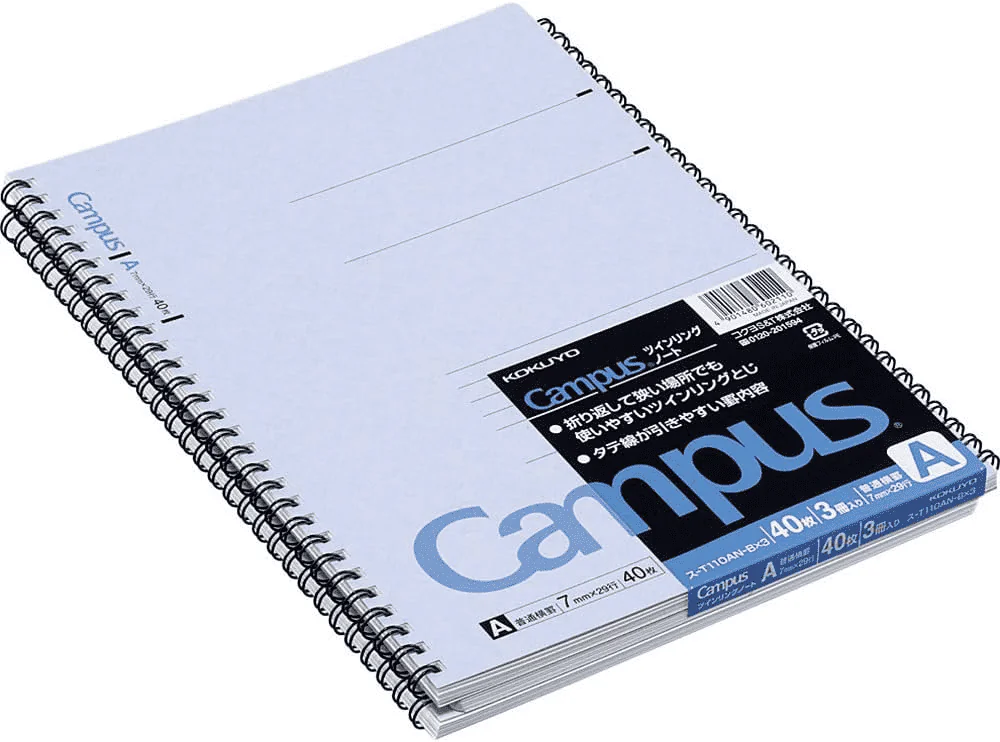
KOKUYO focuses on the physical environment of the office. Their research into how people sit and write has led to notebooks and filing systems that maximize desk space.
- Best for: Workspace organization and educational institutions.
- Key Product: Campus Notebooks, featuring high-opacity, “silky” paper that prevents ink feathering.
Pentel: The Engineering Pioneers
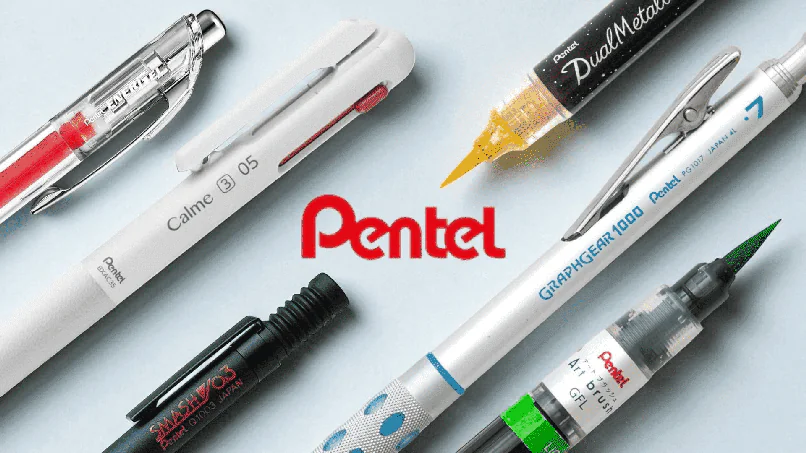
Pentel is responsible for some of the most significant innovations in writing history, including the first non-permanent marker and the first acrylic fiber-tip pen.
- Micro-Innovation: They perfected the GraphGear series—mechanical pencils with a retractable tip mechanism to prevent the lead sleeve from bending or poking holes in pockets.
- Best for: Architects, engineers, and heavy note-takers who require precision.
- Key Product: The Pentel EnerGel, which uses a high-performance ink technology that dries faster than standard gel pens, making it a “holy grail” for left-handed writers.
Zebra: Durability Meets Smoothness
Zebra focuses on the mechanical “feel” of a pen. They are masters of vibration control and durability in high-stress environments.
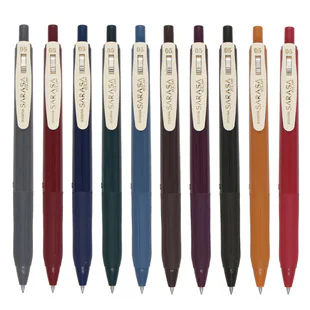
- Micro-Innovation: The Sarasa Clip features a unique “push-clip” that can be attached to thick clipboards or pockets without snapping. They also developed the bLen system, which uses internal brass weights to eliminate the tiny “rattle” or vibration felt while writing, leading to less hand fatigue.
- Best for: Medical professionals and logistics staff who need a clip that stays secure.
- Key Product: The Sarasa Dry, famous for ink that bonds to paper instantly.
Tombow: The Masters of Correction and Graphite
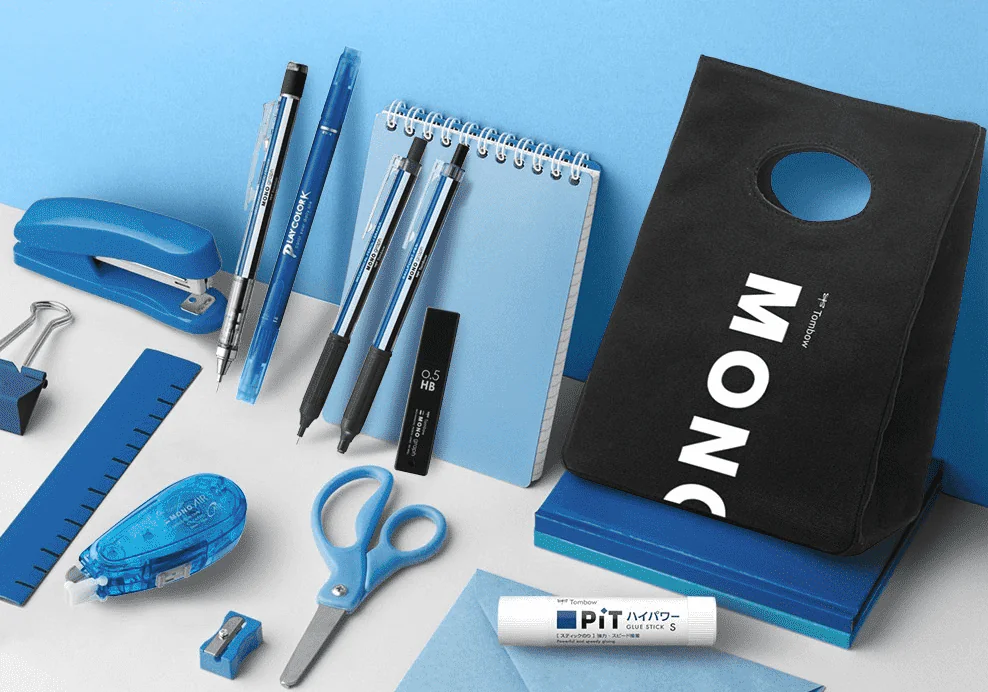
Tombow is legendary for their pencils and correction tools. They focus on the ergonomics of the hand and the chemical stability of their adhesives.
- Micro-Innovation: Their MONO Erasers are considered the gold standard for clean erasing without damaging paper fibers. They also created the MONO Air correction tape, which uses a “power-assist” mechanism to make the tape application feel weightless and silent.
- Best for: Graphic designers, accountants, and administrative staff.
- Key Product: MONO Zero Precision Eraser, a pen-style eraser designed for pinpoint corrections in complex spreadsheets or drawings.
Midori (Designphil): The Aesthetic Functionalists
Midori proves that functional office tools can also be beautiful. They focus on the tactile experience of paper and the portability of office tools.
- Micro-Innovation: They are the creators of the Traveler’s Notebook, a modular system that grows with the user. They also produce the “XS” (Extra Small) series—the world’s smallest functional office tools, including tiny staplers and scissors that fit in a coin purse.
- Best for: Creative directors and professionals who travel frequently.
- Key Product: MD Paper Notebooks, which use a proprietary cream-colored paper specifically calibrated to provide a slight “tooth” or resistance when writing with a fountain pen.
3. Chinese Stationery: Global Manufacturing & OEM Powerhouses
China is not just a manufacturer; it is the global center for stationery innovation and logistics. Chinese brands offer unparalleled scale, making them the primary choice for bulk procurement and private label (OEM) services.
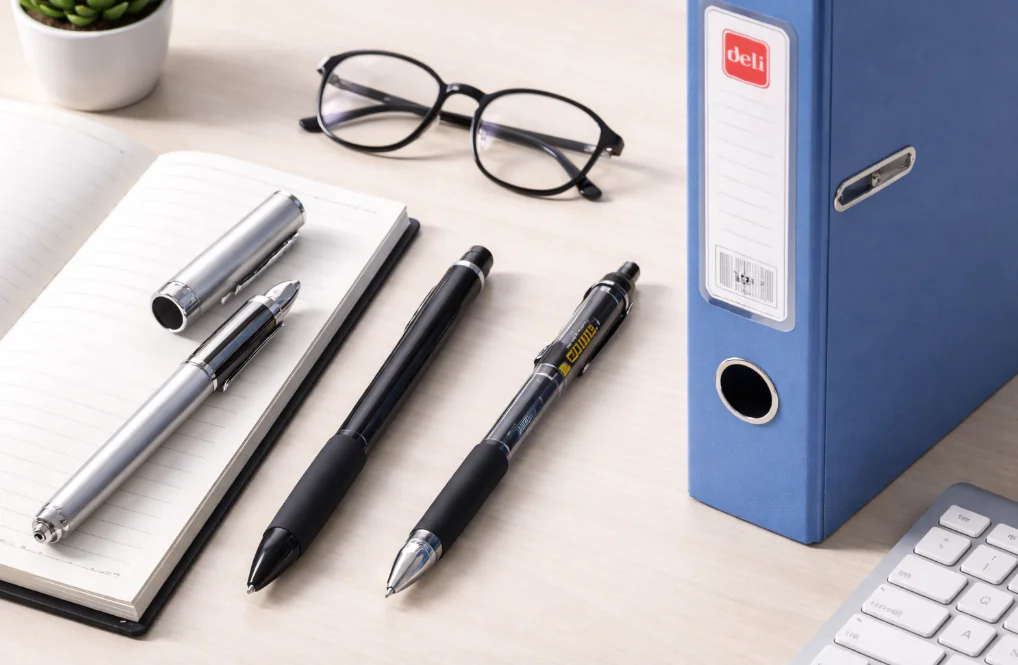
Deli Group (Ningbo, Zhejiang)
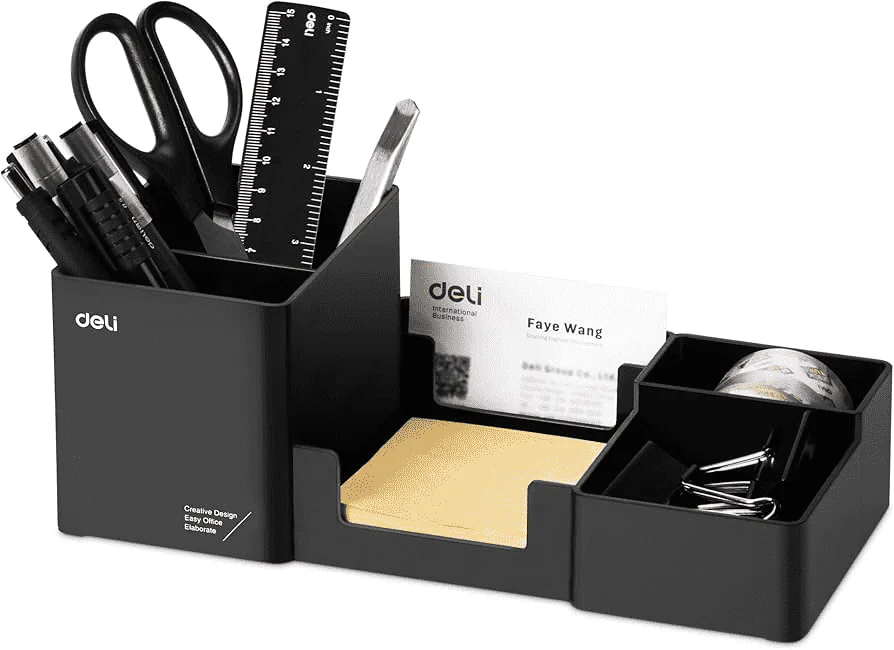
Deli is a massive industrial force with a product catalog exceeding 10,000 SKUs. Based in Ningbo—one of the world’s largest ports—Deli integrates manufacturing with global shipping.
- Strategic Advantage: They offer a “one-stop” solution. From heavy-duty paper shredders to simple paper clips, Deli can outfit an entire skyscraper’s office needs.
- Focus: Institutional procurement and global wholesale.
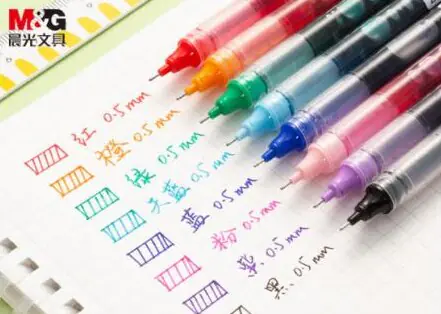
M&G Stationery (Shanghai/Guangdong)
M&G is a giant in the writing instrument sector, producing over 5 billion pens annually. They have a sophisticated supply chain that allows them to launch new designs every week.
- Strategic Advantage: High-speed innovation. M&G combines Japanese-style ink technology with Chinese manufacturing efficiency.
- Focus: Creative office supplies and trendy, functional stationery.
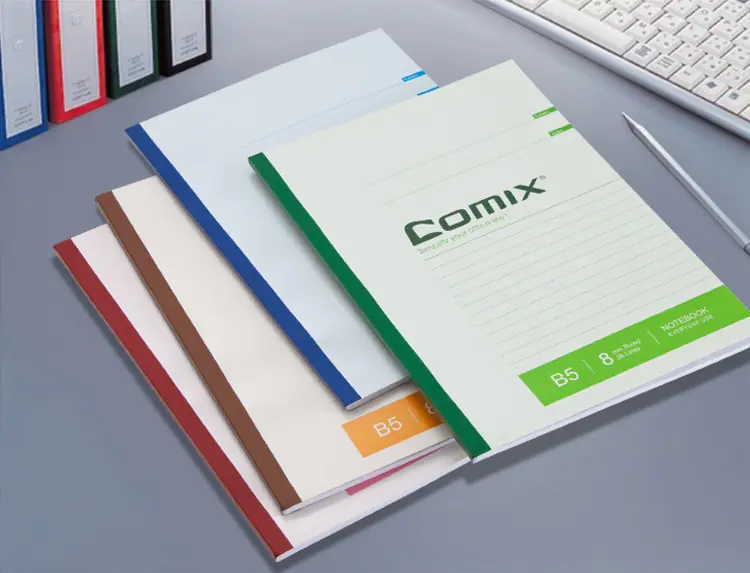
Comix (Shenzhen/Guangdong)
Located in China’s “Silicon Valley,” Comix focuses on the intersection of stationery and office technology. They lead the market in filing, storage, and electronic office equipment.
- Strategic Advantage: Specialized in PP (polypropylene) filing systems and automated office hardware like laminators and time recorders.
- Focus: Professional office management and B2B equipment.
4. Why China Is the Best Choice for Stationery Sourcing
China has become the first choice for global stationery buyers. From small online sellers to large retail chains, many businesses rely on Chinese manufacturers for stable supply and competitive pricing. The reason is simple. China offers a complete system that is hard to match.
Strong Manufacturing Base
China has thousands of stationery factories across regions like Yiwu, Ningbo, and Guangzhou. These factories cover almost every product category, including notebooks, pens, office supplies, school kits, and creative stationery.
Most suppliers already work with international buyers. They understand export standards, packaging requirements, and compliance rules. This reduces communication problems and helps you move faster from idea to production.
Competitive Pricing Without Sacrificing Quality
Price is one of the main reasons buyers choose China. Large-scale production lowers the cost per unit. At the same time, many factories now offer better quality control than before.
You can find different price levels in the same category. This allows you to target different markets. For example, budget products for mass retail or higher-quality items for branding and private label.
The key is supplier selection. A reliable sourcing partner can help you compare factories and avoid hidden costs.
Wide Product Variety in One Place
China offers unmatched product variety. Instead of working with multiple suppliers in different countries, you can source everything in one place.
Markets like Yiwu Market make this even easier. You can explore thousands of suppliers in a short time. This is especially useful if you want to test new products or expand your catalog.
For stationery buyers, this means faster product development and more flexibility in your business strategy.
Flexible MOQ for Different Buyers
Many Chinese suppliers support flexible MOQ (Minimum Order Quantity). This is important for small and medium businesses.
You can start with smaller orders to test the market. Once your product sells well, you can increase volume and negotiate better pricing.
This flexibility helps reduce risk, especially for new brands or seasonal products.
Customization and Private Label Opportunities
China is strong in OEM and ODM production. Most factories can customize products based on your design, logo, or packaging requirements.
You can build your own brand without owning a factory. From logo printing to full product development, suppliers can support every step.
This is one of the biggest advantages for buyers who want to move from simple trading to brand building.
Mature Supply Chain and Logistics Support
China has a well-developed supply chain. Raw materials, components, packaging, and logistics are all connected.
Shipping options are also flexible. You can choose sea freight for lower cost or air freight for faster delivery. Many suppliers also work with experienced freight forwarders, making the process smoother.
With the right sourcing setup, you can reduce delays and keep your inventory stable.
This section is critical for building trust with B2B buyers. In the stationery industry, a “bad batch” often means thousands of leaky pens or notebooks with thin, bleeding paper.
Following the Home Evolution brand voice, here is the Quality Control Checklist for professional stationery sourcing.
5. Stationery Quality Control: How to Avoid “Bad Batches”
When you order 50,000 pens or 10,000 notebooks, you cannot afford a 5% failure rate. In the stationery world, small defects lead to big returns. At Home Evolution, we use a rigorous inspection process to catch these issues before the goods leave the factory floor in Ningbo or Yiwu.
Here are the critical “Red Flags” and quality checks you should include in your sourcing plan:
1. The “Write-Out” Test for Pens
The most common issue with bulk pen orders is ink consistency. A pen that “skips” or leaks is useless to a professional client.
- The Check: We perform a 100-meter continuous write-out test on random samples from the production line.
- What to Look For: Ensure the ink flow is immediate and consistent. There should be no “blobbing” at the tip or rail-roading (white gaps in the middle of a stroke).
- Pro Tip: For gel pens, check the shelf-life seal. If the wax tip is missing or improperly applied, the ink will dry out before it reaches your warehouse.
2. Paper GSM & Opacity Verification
Many suppliers claim “80 GSM” (Grams per Square Meter) paper, but deliver 70 GSM to save costs. This results in “ghosting”—where you can see the writing through the other side of the page.
- The Check: Use a digital micrometer to measure paper thickness and a precision scale to verify the weight.
- The “Bleed” Test: We test the paper with high-flow fountain pens and permanent markers. If the ink bleeds through to the third page, the paper quality is insufficient for professional use.
3. Mechanical Durability: “The 1,000-Click Rule”
For retractable pens, staplers, and hole-punchers, the internal spring or hinge is usually the first part to fail.
- The Check: Perform a stress test on the mechanical parts. A high-quality retractable pen should survive at least 1,000 clicks without the internal plastic housing cracking.
- Binding Strength: For notebooks, we perform a “pull test” on the center pages. If the pages detach easily from the glue or stitching, the notebook will fall apart within a month of use.
4. Safety & Compliance Standards (The Legal Barrier)
Stationery often falls under strict chemical regulations, especially regarding lead in paint or phthalates in plastics.
- The Check: Ensure your supplier provides valid EN71 (Europe) or ASTM D-4236 (USA) certifications.
- The Smell Test: Strong chemical odors from erasers or plastic folders often indicate the use of recycled plastics containing banned chemicals. Always request a material safety data sheet (MSDS).
5. Branding & Color Matching
If you are ordering custom-branded (OEM) stationery, “close enough” is not good enough for your brand identity.
- The Check: Use Pantone Matching System (PMS) codes for all logos. We compare the final production run against the approved “Golden Sample” under standardized lighting (D65 light source).
- Alignment: Ensure logos are centered. On round pens, a 1mm shift in printing can make the entire batch look “cheap” and unprofessional.
Why Pre-Shipment Inspection (PSI) Is Non-Negotiable
Once the container is on the ocean, it is too late to fix a mistake. Home Evolution performs Pre-Shipment Inspections at the factory to verify:
- Carton Strength: Are the boxes double-walled to prevent crushing during transit?
- Moisture Control: Is there silica gel in the packaging to prevent mold on paper products during sea freight?
- Barcode Accuracy: Do the GS1 barcodes scan correctly for your retail system?
Our Goal: We catch the 1% of errors at the factory so you get 100% quality at your door.
6. How to Avoid “Bad Batches”
When you order 50,000 pens or 10,000 notebooks, you cannot afford a 5% failure rate. In the stationery world, small defects lead to big returns. At Home Evolution, we use a rigorous inspection process to catch these issues before the goods leave the factory floor in Ningbo or Yiwu.
Here are the critical “Red Flags” and quality checks you should include in your sourcing plan:
Step1. The “Write-Out” Test for Pens
The most common issue with bulk pen orders is ink consistency. A pen that “skips” or leaks is useless to a professional client.
The Check: We perform a 100-meter continuous write-out test on random samples from the production line.
What to Look For: Ensure the ink flow is immediate and consistent. There should be no “blobbing” at the tip or rail-roading (white gaps in the middle of a stroke).
Pro Tip: For gel pens, check the shelf-life seal. If the wax tip is missing or improperly applied, the ink will dry out before it reaches your warehouse.
Step2. Paper GSM & Opacity Verification
Many suppliers claim “80 GSM” (Grams per Square Meter) paper, but deliver 70 GSM to save costs. This results in “ghosting”—where you can see the writing through the other side of the page.
The Check: Use a digital micrometer to measure paper thickness and a precision scale to verify the weight.
The “Bleed” Test: We test the paper with high-flow fountain pens and permanent markers. If the ink bleeds through to the third page, the paper quality is insufficient for professional use.
Step3. Mechanical Durability: “The 1,000-Click Rule”
For retractable pens, staplers, and hole-punchers, the internal spring or hinge is usually the first part to fail.
The Check: Perform a stress test on the mechanical parts. A high-quality retractable pen should survive at least 1,000 clicks without the internal plastic housing cracking.
Binding Strength: For notebooks, we perform a “pull test” on the center pages. If the pages detach easily from the glue or stitching, the notebook will fall apart within a month of use.
Step4. Safety & Compliance Standards (The Legal Barrier)
Stationery often falls under strict chemical regulations, especially regarding lead in paint or phthalates in plastics.
The Check: Ensure your supplier provides valid EN71 (Europe) or ASTM D-4236 (USA) certifications.
The Smell Test: Strong chemical odors from erasers or plastic folders often indicate the use of recycled plastics containing banned chemicals. Always request a material safety data sheet (MSDS).
Step5. Branding & Color Matching
If you are ordering custom-branded (OEM) stationery, “close enough” is not good enough for your brand identity.
The Check: Use Pantone Matching System (PMS) codes for all logos. We compare the final production run against the approved “Golden Sample” under standardized lighting (D65 light source).
Alignment: Ensure logos are centered. On round pens, a 1mm shift in printing can make the entire batch look “cheap” and unprofessional.
Why Pre-Shipment Inspection (PSI) Is Non-Negotiable
Once the container is on the ocean, it is too late to fix a mistake. Home Evolution performs Pre-Shipment Inspections at the factory to verify:
- Carton Strength: Are the boxes double-walled to prevent crushing during transit?
- Moisture Control: Is there silica gel in the packaging to prevent mold on paper products during sea freight?
- Barcode Accuracy: Do the GS1 barcodes scan correctly for your retail system?
Our Goal: We catch the 1% of errors at the factory so you get 100% quality at your door.
Conclusion
Selecting the right office stationery brands is the first step in building a professional workspace or a successful retail inventory. Whether you choose the engineering precision of Germany, the thoughtful innovation of Japan, or the unmatched scale and value of China, your choice should reflect your business’s specific goals.
However, the global stationery market is complex. A brand’s reputation is only as good as the specific batch that arrives at your warehouse. This is where a dedicated partner makes the difference.
The Home Evolution Advantage
We don’t just find suppliers; we protect your investment. With 25+ years of experience and a deep presence in China’s manufacturing hubs, we handle the “heavy lifting” so you don’t have to.
- Verified Suppliers: We skip the middlemen and connect you directly with audited factories in Yiwu, and beyond.
- On-the-Ground Inspections: Our agents are in the factories, checking every pen and notebook for consistency before it ships.
- Logistics Simplified: From consolidating orders to navigating international customs, we manage the entire journey to your door.
Ready to Elevate Your Office Supply Chain?
Don’t leave your product quality to chance. Whether you are looking for eco-friendly notebooks, high-precision writing tools, or bulk office equipment, Home Evolution provides the clarity and security you need.
Contact our Yiwu Sourcing Team today. Let’s discuss your specific requirements, provide an accurate quote, and build a sourcing plan that works for you.