
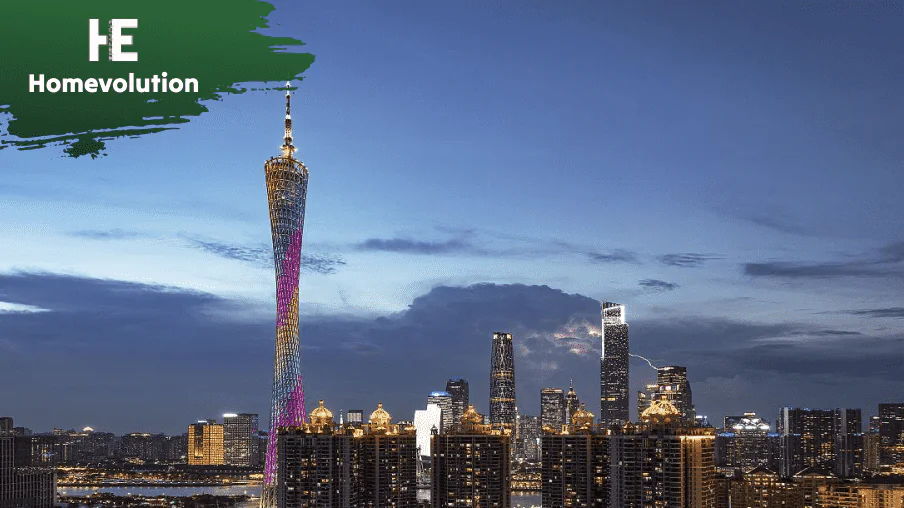
The Guangzhou wholesale market is one of the most active sourcing hubs in southern China. Buyers from Africa, the Middle East, Europe, and South America visit every month to find new products, compare suppliers, and negotiate prices directly. If you plan on buying from China, understanding how the Guangzhou wholesale market works can save you time, reduce risk, and improve your margins.
Many international buyers first discover the city through the Canton Fair. While the fair provides a snapshot of export-ready suppliers, the real Guangzhou wholesale market operates year-round. Permanent trade buildings, product-specific districts, and nearby factory networks allow buyers to continue sourcing long after exhibition season ends.
What Makes the Guangzhou Wholesale Market Unique
The Guangzhou wholesale market is different from factory clusters like Yiwu or specialized manufacturing cities such as Shenzhen. Here, wholesale buildings, factory showrooms, and trading offices operate side by side. That structure gives buyers immediate access to product samples, pricing comparisons, and alternative suppliers within walking distance. You can review three to five suppliers in a single afternoon, which speeds up decision-making and shortens your sourcing cycle.
Another key advantage is product specialization by district. For example, areas like Baima Clothing Market focus on fashion and apparel, while Shahe Clothing Market is known for competitive-priced garments and fast-moving styles. These concentrated trade markets allow buyers to compare quality tiers clearly — from entry-level wholesale to higher-end export collections — without traveling across multiple cities.
Guangzhou also benefits from strong logistics infrastructure. With access to Guangzhou Port and international air cargo routes, shipments move efficiently to global destinations. For international buyers, this means shorter lead times and more flexible shipping options. However, the fast pace of the market also means supplier quality varies. Knowing how to verify Guangzhou suppliers becomes essential before placing bulk orders.
Major Guangzhou Wholesale Markets International Buyers Should Know
Guangzhou’s wholesale ecosystem is one of the most diverse and largest in China, with over 1,000 specialized markets covering dozens of product categories. These markets are organized by district and product type, which makes targeted sourcing possible — but also means you need a clear plan before visiting.
Below is a detailed breakdown of the top wholesale markets across Guangzhou.
1. Apparel & Fashion Hubs
Guangzhou Baima Clothing Market – Mid-to-High-End Fashion
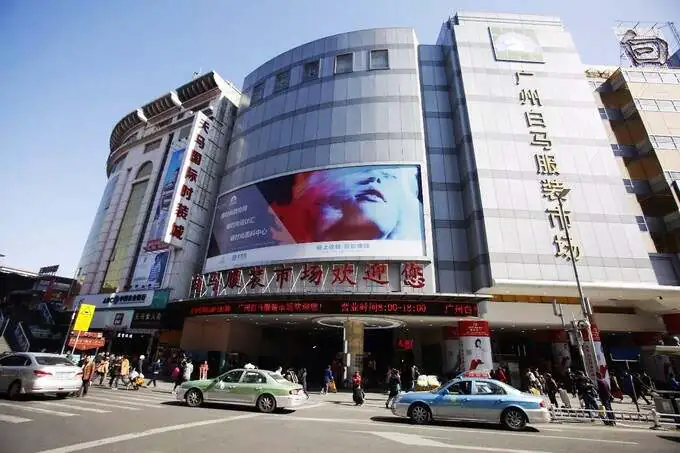
One of Guangzhou’s most iconic fashion wholesale centers, Baima is located near the Guangzhou Railway Station. It is known for well-organized, clean showrooms and relatively better quality garments compared with budget markets. Trends often originate here before spreading to other wholesale zones.
Typical Products:
- Women’s fashion (dresses, tops, skirts)
- Men’s apparel
- Boutique and seasonal collections
Why Visit: Baima is ideal if you want fashionable, export-ready inventory and suppliers open to OEM/ODM cooperation.
Shahe Garment Wholesale District & Shisanhang Clothing Market – Budget Fashion
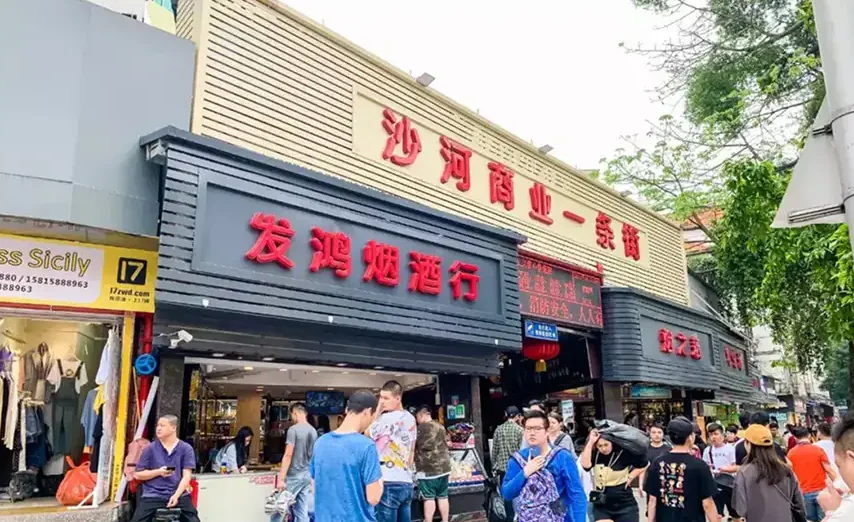
Shahe and Shisanhang are among the most bustling and price-competitive areas for apparel sourcing. Shahe offers massive volume and low entry prices, while Shisanhang (including the New China Building) houses thousands of fashion stalls ranging from basic wear to trendy pieces.
Typical Products:
- T-shirts and casual tops
- Jeans, trousers
- Streetwear and fast-moving fashion
Why Visit: Huge product variety and very competitive pricing — but quality levels vary. Negotiation skills and sample confirmation are essential.
2. Leather Goods, Bags & Accessories
Sanyuanli Leather & Luggage Market – Bags, Wallets & Travel Goods
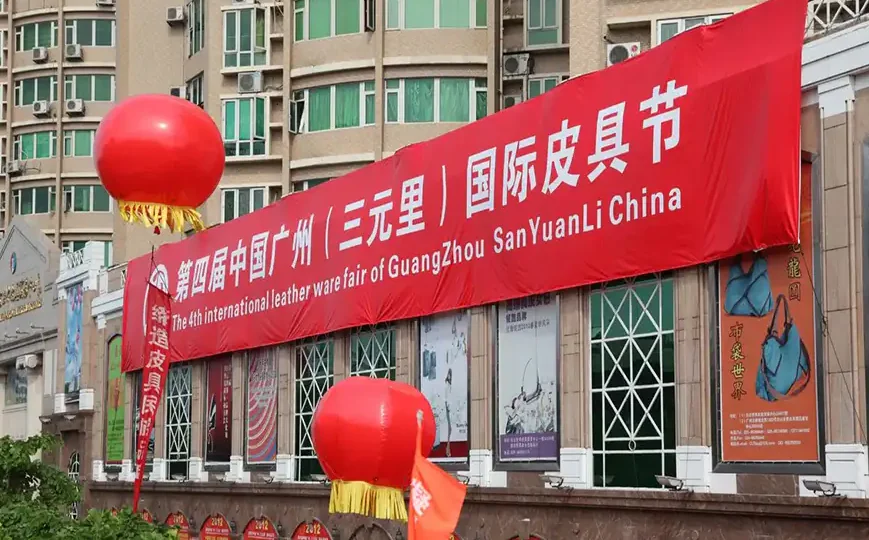
Sanyuanli is Guangzhou’s largest trade hub for leather goods and accessories. Located along Jiefang North Road, this area attracts importers looking for all kinds of bags, wallets, backpacks, and luggage.
Typical Products:
- Handbags and backpacks
- Suitcases and travel luggage
- Wallets, belts, small leather accessories
Why Visit: A central destination for mid-range and budget leather products, suitable for fashion resellers and accessories businesses.
3. Toys, Gifts & Stationery
Zhongshanba Toys & Gifts Market & Onelink Plaza
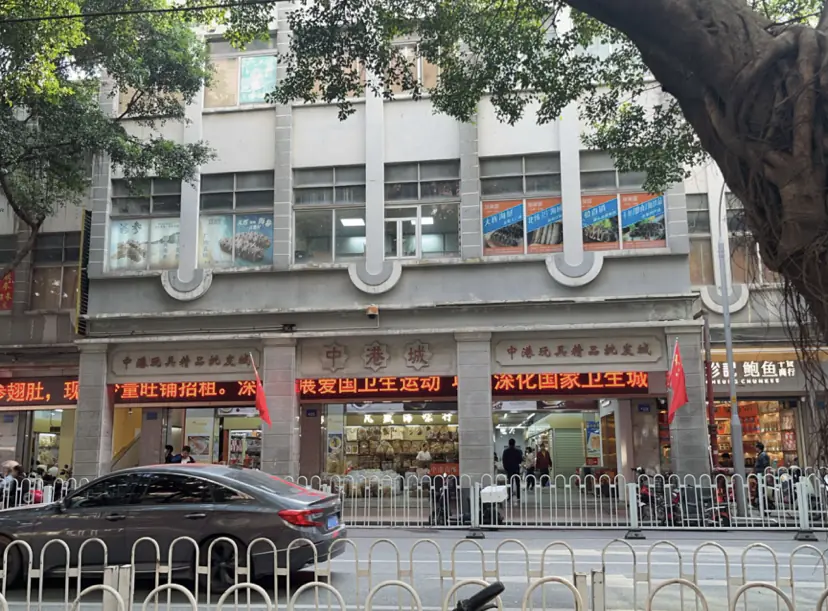
The Zhongshanba market area and nearby gift centers (such as Onelink International Plaza) are dedicated to toys, party supplies, gift items, and stationery. These zones are packed with wholesalers who carry both seasonal novelties and everyday items.
Typical Products:
- Plastic and educational toys
- Baby toys and plush figures
- Stationery and gift accessories
- Novelty products
Why Visit: Excellent for buyers focusing on high-rotation, small SKU products with low MOQs.
4. Electronics & Digital Accessories
New Asia Int’l Electronic & Digital City & Nanfang Building
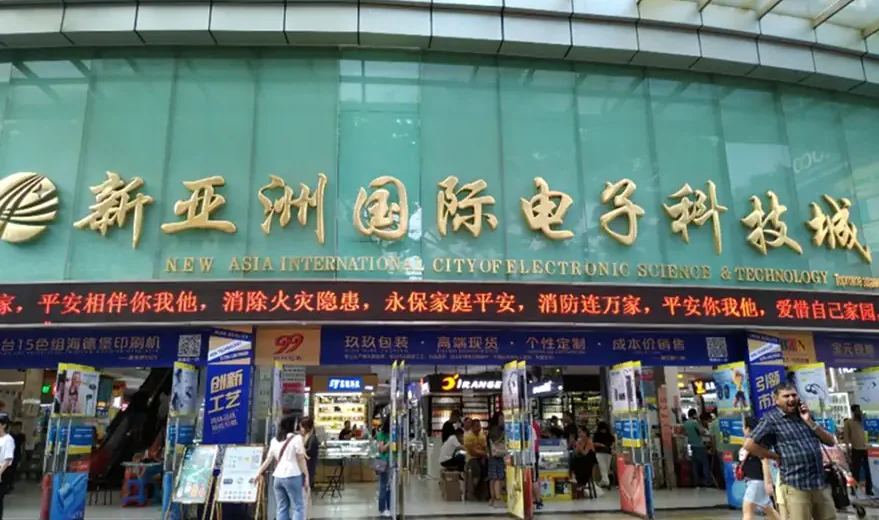
Guangzhou hosts several electronics markets that focus on consumer tech and accessories. New Asia Electronic City and surrounding buildings include thousands of stalls selling everything from phone covers to Bluetooth speakers.
Typical Products:
- Phone accessories (cases, chargers, cables)
- Bluetooth speakers, earbuds
- Memory cards and digital gadgets
Why Visit: Ideal for mobile accessories and consumer tech trends, but always verify product certifications (e.g., CE, FCC) before bulk orders.
5. Beauty, Cosmetics & Salon Supplies
Beauty Exchange Center, Xingfa Plaza & Other Hubs
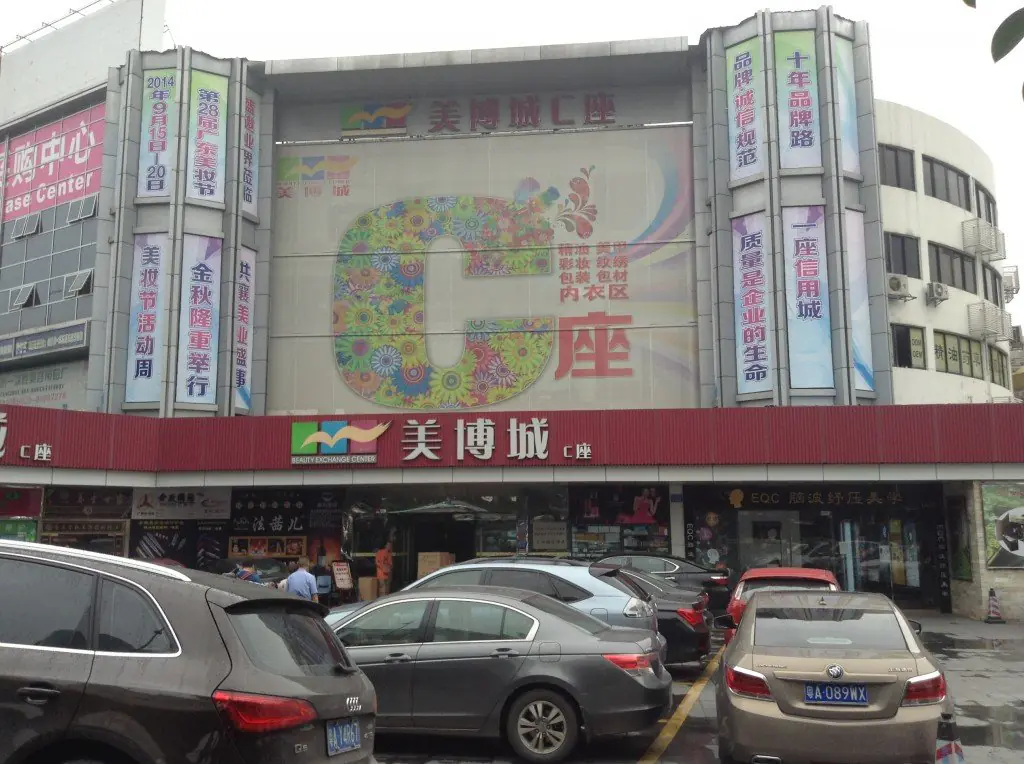
Guangzhou’s beauty wholesale segment includes large multi-story markets such as the Beauty Exchange Center and Xingfa Plaza. These are among the largest cosmetics and salon equipment hubs in Asia, with thousands of suppliers.
Typical Products:
- Skincare and makeup
- Salon tools and equipment
- Haircare products
- Packaging and personal care tools
Why Visit: Perfect for buyers interested in beauty, personal care, and private-label cosmetic products. Compliance with destination country regulations is critical.
6. Other Notable Markets
Guangzhou’s wholesale offerings go beyond the categories above. Buyers may also explore:
- Fabric & Textile Markets – Zhongda Fabric & Accessories Market for fabrics, trims, buttons, zippers and textile supplies.
- Children’s Products & Apparel – Zhongshan-8 Road kids market and nearby children’s wear wholesalers.
- Footwear Wholesale Zones – Shoe markets around Guangda Vast Foreign Trade Shoes Plaza and Jiefang Road clusters.
- Specialty & Gift Plazas – Wanling Square and Yide Road Gift Market for stationary, seasonal items, and decor products.
Quick Navigation Tips for Buyers
- Most markets open around 9:00 AM and close between 5:30 PM – 6:30 PM. Weekdays are less crowded than weekends.
- Markets are often large building complexes with multiple floors — plan your route and priority list first.
- Many areas accept Alipay/WeChat Pay, but cash is still helpful for bargaining.
- Use metro stations like Guangzhou Railway Station, Sanyuanli, Cultural Park, Haizhu Square as reference points to find these markets quickly.
Top Product Categories Buyers Source
| Market Name | Product Category | Typical Products |
| Baima Clothing Market | Fashion & Apparel | Women’s & men’s wear, boutique fashion |
| Shahe Garment Wholesale District | Budget Apparel | T-shirts, jeans, streetwear |
| Sanyuanli Leather & Luggage Market | Bags & Accessories | Handbags, backpacks, luggage |
| Zhongshanba Toys & Gifts Market | Toys & Gifts | Educational toys, gift items |
| New Asia Int’l Electronic & Digital City | Electronics | Phone accessories, Bluetooth speakers |
| Guangzhou Beauty & Cosmetics Market | Beauty & Personal Care | Skincare, beauty devices |
Common Challenges When Buying from Guangzhou
Buying from the Guangzhou wholesale market can be very rewarding, but it also comes with several real-world challenges many international buyers don’t anticipate. Understanding these issues ahead of time helps you avoid delays, hidden costs, and sourcing mistakes.
Fragmented Market Structure
Unlike unified wholesale centers in some other cities, Guangzhou’s markets are spread across different districts and product categories. Without a clear plan, buyers can waste time jumping between zones and miss better supplier options.
Inconsistent Quality Across Suppliers
Product quality in Guangzhou markets can vary widely — even within the same category. Some vendors offer durable, export-ready goods, while others sell low-quality stock or items that won’t meet your market’s standards. Consistency must be verified through samples or inspections before bulk purchasing.
Language & Communication Barriers
Many market sellers speak limited or no English, which can lead to miscommunication, slower negotiation, or misunderstandings about specifications, pricing, and terms. Bringing a translator or working with a sourcing agent often pays off.
Local Payment Practices
Most wholesalers in Guangzhou don’t accept USD or international cards and prefer payment in Chinese RMB. This can complicate transactions if you haven’t prepared local cash or mobile payment options like WeChat or Alipay.
Limited Direct Export Shipping
Many market stalls only handle domestic deliveries. Organizing international shipping, consolidation, and customs clearance requires planning or a logistics partner — otherwise, getting your goods home becomes difficult.
Risk of Misleading Offers & Payment Traps
Some vendors may use tactics like “pay now, ship later” or promise stock availability that isn’t real. Paying full amounts without onsite verification can lead to delays or receiving products different from what you saw.
These challenges are common in Guangzhou, but they don’t outweigh the benefits — especially when you prepare properly or work with experienced local support.

When You Need a Guangzhou Sourcing Agent
After seeing the challenges above, you might wonder when it makes sense to hire a local sourcing agent — and that’s the natural lead-in to our services.
Working with a professional Guangzhou sourcing agent becomes especially valuable when:
- You want to save time and reduce travel stress. Instead of visiting dozens of markets or factories yourself, an agent pre-screens suppliers and schedules efficient meetings.
- Language and negotiation barriers threaten your deals. Agents speak Mandarin and English, so they can communicate clearly with vendors and secure better factory pricing.
- You need quality control at every stage. A sourcing agent conducts onsite inspections, production monitoring, and pre-shipment checks to ensure goods match your specifications.
- Logistics and export compliance are overwhelming. Your agent can coordinate freight, documentation, customs, and delivery — turning a complex supply chain into a smooth process.
- You’re launching a brand, private label, or custom product. From supplier identification to packaging and labeling, a local team provides continuity and support from start to finish.
In short, a Guangzhou sourcing agent acts as your local partner on the ground, helping you navigate supplier networks, protect product quality, and manage the many details that make global sourcing successful.
👉 If you need support with any step — from supplier vetting to shipping coordination — our Guangzhou sourcing services are designed to handle it for you while you focus on growing your business.