
Introduction
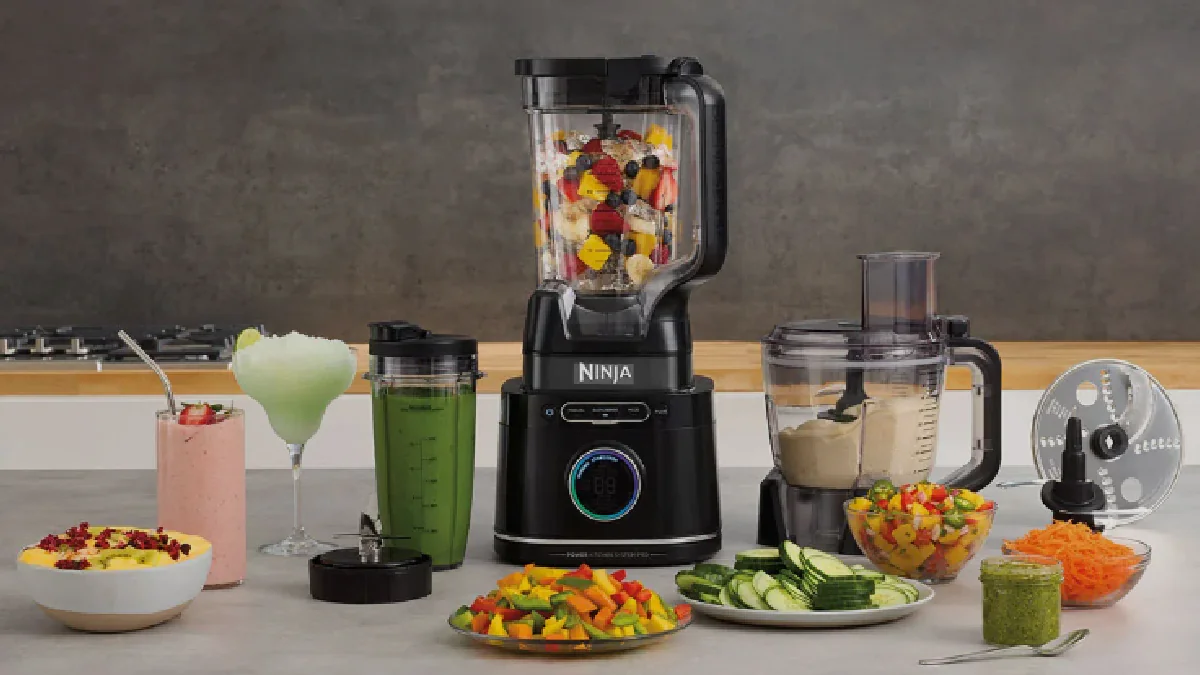
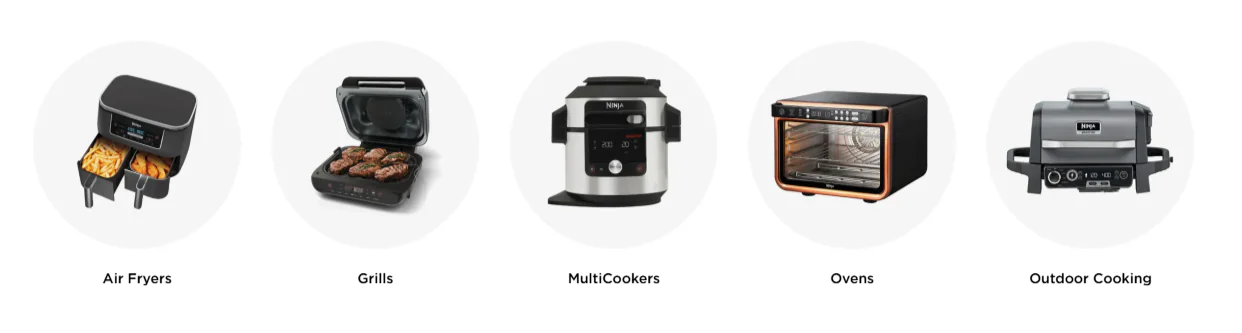
Ninja is one of the fastest-growing kitchen appliance brands in the global market. From air fryers to blenders and multi-cookers, Ninja products are widely sold in the US, Europe, and Australia.
Many buyers and brand owners often ask the same question:
Where are Ninja products made? The short answer is simple. Ninja is an American brand, but its products are manufactured mainly in Asia.
Ninja kitchen appliances (blenders, air fryers, multi-cookers, and more) are manufactured through SharkNinja’s global OEM/ODM partners rather than company-owned factories. Due to U.S. tariffs, production for the American market has largely shifted from China to Southeast Asia by late 2025. However, for international markets (Europe, Asia, Australia, etc.), many Ninja products and similar models are still made in China.
Below is a detailed overview of the main manufacturing locations for Ninja products, including the specific advantages that make each country attractive for kitchen appliance production.
China – Still the Primary Hub for Non-U.S. Markets
China remains a key manufacturing base for Ninja products sold outside the United States, as well as for many compatible and alternative kitchen appliances.
Key Advantages for Wholesale Buyers:
- Complete Supply Chain Ecosystem – China controls 60-70% of global small appliance production, with clustered suppliers for motors, plastics, electronics, and packaging, resulting in shorter lead times and lower minimum order quantities (MOQs).
- Unmatched Cost Efficiency – Large-scale production and mature infrastructure keep unit costs 10-30% lower than most alternatives, ideal for competitive wholesale pricing.
- Advanced OEM/ODM Capabilities – Decades of experience with brands like SharkNinja; factories offer rapid prototyping, customization, and strict compliance with international standards (UL, CE, RoHS).
- High-Quality Consistency – Automated production lines and rigorous quality control ensure reliable performance comparable to other regions.
Vietnam – Leading Alternative for U.S.-Bound Products
Vietnam has absorbed the majority of SharkNinja’s relocated production volume to avoid tariffs.
Key Advantages:
- Rapidly Improving Infrastructure – Modern factories, expanding ports, and strong foreign investment incentives support efficient large-scale manufacturing.
- Competitive Labor Costs – Lower wages than China combined with a young, trainable workforce help maintain attractive pricing.
- Favorable Trade Agreements – Access to CPTPP, EVFTA, and other FTAs reduces export tariffs to Europe, Australia, and beyond.
- Proximity to China – Easy component sourcing from neighboring suppliers minimizes supply chain disruptions.
Thailand – Established Appliance Manufacturing Center
Thailand hosts several facilities producing kitchen appliances for global brands, including parts of Ninja’s diversified supply chain.
Key Advantages:
- Proven Appliance Industry Expertise – Long-standing hub for refrigerators, air conditioners, and small kitchen appliances with high automation levels.
- Excellent Logistics and Infrastructure – Reliable power grid, major international ports, and central ASEAN location for regional distribution.
- Skilled Workforce – Strong technical training programs and quality-focused culture.
- ASEAN Trade Benefits – Duty-free access to other Southeast Asian markets.
Cambodia – Emerging Low-Cost Option
Cambodia is gaining traction for labor-intensive assembly in SharkNinja’s network.
Key Advantages:
- Lowest Regional Labor Costs – Significantly reduced wage expenses make it ideal for high-volume, cost-sensitive orders.
- Investment Incentives – Tax holidays and special economic zones attract foreign manufacturers.
- Strategic Growth Potential – Rapidly developing industrial parks with improving supply chain integration.
Indonesia – Resource-Rich Production Base
Indonesia contributes to appliance component and assembly production.
Key Advantages:
- Abundant Natural Resources – Access to nickel and other materials supports electronics and appliance components.
- Large-Scale Capacity – Massive domestic market drives economies of scale for export-oriented production.
- ASEAN Trade Advantages – Strong regional trade agreements facilitate exports.
Malaysia – High-Tech and Specialized Manufacturing
Malaysia excels in electronics and automated production lines.
Key Advantages:
- Advanced Electronics Expertise – Leader in electrical & electronics (E&E) components critical for modern kitchen appliances.
- Stable Business Environment – Excellent infrastructure, English-speaking talent, and political stability.
- Innovation Focus – Strong R&D and automation capabilities for complex products.
Which Location Is Best for Your Wholesale Needs?
While Southeast Asia provides tariff advantages for U.S. shipments and supply chain diversification, China continues to offer the best combination of price, speed, flexibility, and quality for most global wholesalers—especially for non-U.S. markets and private-label alternatives.
| Priority | Best Location | Why |
| Lowest price & wide options | China | Huge supplier base + competitive manufacturing |
| Labor cost + diversification | Vietnam / Indonesia | Lower wages, emerging factories |
| Textiles & artisan goods | India / Pakistan | Established textile industries |
| Technology & brand value | South Korea | Quality and innovation |
| Furniture & sustainable goods | Vietnam / Indonesia | Growing wood product clusters |
| Food & specialty categories | Thailand | Strong processing and packaging sectors |
Frequently Asked Questions
1. How do I choose the right sourcing country for my wholesale business?
Start by matching the country’s manufacturing strengths with your product category. China is ideal for wide product variety and customization, while Vietnam and Southeast Asia are competitive for labor-intensive goods. Always compare total cost, lead time, and quality control, not just unit price.
2. What should I check before placing a bulk order with a new supplier?
Request product samples, review certifications, and confirm production capacity. Clarify MOQ, payment terms, and quality standards in writing. Third-party inspections are strongly recommended before mass production and shipment.
3. How can I reduce quality risks when sourcing globally?
Work with audited suppliers and conduct pre-production and pre-shipment inspections. Clear specifications, approved samples, and ongoing communication help prevent misunderstandings and quality issues.
4. Is it better to work directly with factories or through a sourcing agent?
Direct factory sourcing can work for experienced buyers. For new or growing buyers, a sourcing agent helps with supplier vetting, negotiation, quality control, and logistics coordination across regions.
5. How do I manage logistics and shipping costs effectively?
Plan shipping early and compare sea, rail, and air options. Consolidating shipments and working with reliable freight partners can significantly reduce overall logistics costs.
Looking for a Reliable Global Sourcing Agent?
We help wholesale buyers source products globally with verified suppliers, strict quality control, and transparent pricing. From supplier selection to shipment coordination, our team supports every step of your sourcing process.